
In Vitro Fertilisation
The Scotia Clinic has long established partnerships with specialist clinics in Ireland and across Europe.
These partnerships allows patients to have all of their care – apart from egg retrieval and embryo transfer – in Kerry. We refer to this type of care as Satellite IVF.
What is IVF?
In vitro fertilization (IVF) refers to the process where a woman’s eggs are fertilised outside of her body in the laboratory. The resulting embryos are transferred back into the uterus a few days later. IVF is specifically recommended for:
- Women with absent, blocked or damaged fallopian tubes.
- Cases of unexplained infertility.
- Some cases of male factor infertility.
IVF involves the stimulation of the ovaries with fertility medications to encourage the development and maturation of the eggs. Patients visit the clinic several times during treatment for a transvaginal ultrasound scan. This determines the number and size of the developing follicles, which vary from woman to woman and from cycle to cycle.
The final preparation for egg retrieval involves a hormone injection which mimics the natural trigger for ovulation. Egg retrieval will take place 36-38 hours after this injection and is performed under light anaesthesia.
The transvaginal ultrasound probe is used to visualize the ovaries. A needle attached to the probe is passed through the vaginal wall into the follicles. The fluid within each follicle is withdrawn and then examined in the IVF laboratory for the presence of an egg. After identification, the eggs are transferred into a special culture medium in Petri dishes and placed inside an incubator.
The sperm is prepared while egg retrieval is taking place. The male partner provides a semen sample, then a concentrated preparation of the best motile sperm is extracted from that sample in the laboratory.
This sperm preparation is added to the dishes containing the eggs, and they are then incubated together overnight. Twenty four hours after egg retrieval, an assessment is made by a laboratory scientist to determine if fertilisation has occurred. If it has, the zygotes are allowed to continue to grow for a number of days until they are embryos or blastocysts, at which point they are transferred into the womb via a very fine catheter. This process is called embryo transfer and is performed under ultrasound guidance. It is painless and only takes a few minutes.
Success rate of IVF
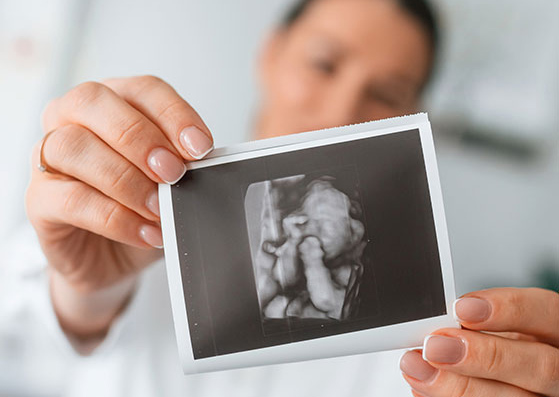
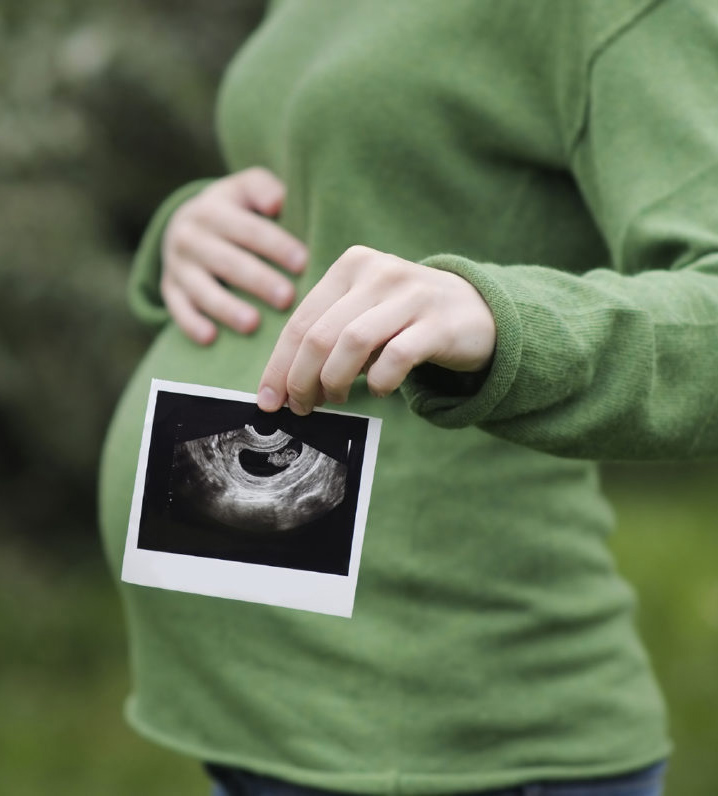
The success of IVF varies between patients, and is particularly dependent of the age of the woman. On average, about 28% of patients will have a baby after one attempt at standard IVF. The woman carries out a pregnancy test two weeks after embryo transfer. If it’s positive, special medications will be prescribed to help the womb ‘hold on’ to the pregnancy. If there are no complications, an ultrasound scan is organised two weeks later.
The presence of the pregnancy hormone can be measured using a blood test. If the pregnancy is viable, blood levels will double every 48hours. Doing the blood test may help to reduce t anxiety in the first few weeks.
IVF is available in a number of clinics both in Ireland and Europe We will provide information on all of the options to allow couples to pick the clinic which best meets their needs. Regardless of whether couples choose to access these services in Ireland or abroad, they are entitled to claim 20% tax relief on the costs involved in IVF treatment as part of the tax relief for medical expenses scheme.
Free IVF service is now available for certain couples in certain medical situations in irealnd, which Scotia Clinic can assist couples applying for this service.
The Scotia Clinic is affiliated with the Sims Clinic in Dublin and Cork. This partnership allows patients to have all of their care – apart from egg retrieval and embryo transfer – in Kerry. We refer to this type of care as Satellite IVF.
Initial consultations, semen analysis, blood tests, ultrasound scans and nurse consultations are performed at The Scotia Clinic, Tralee. We believe that reducing the number and frequency of long commutes helps to reduce stress for patients. It also cuts down on the financial outlay, which can then be channelled into complementary therapies such as nutritional advice, reflexology, acupuncture or mind-body programmes.
How do Intralipids work for Fertility?
Some types of infertility may be caused by an overactive immune system, which can sometimes attack egg, sperm, embryo and even a developing foetus. This can result in difficulty achieving and maintaining the pregnancy.
Natural Killer (NK) cells are regulated by the immune system. In women who have autoimmune issues, the NK cells tend to react abnormally to an implanting embryo, treating it as an invading cell and prompting the body to attack it. Studies have found that Intralipids can help to regulate these cells, allowing the embryo to implant on the uterine wall and grow normally.
Recent research has also suggested that women who have experienced recurrent miscarriages or multiple failed IUI (Intrauterine Insemination) or IVF cycles as a result of NK cell activation may benefit from the use of Intralipids. Moreover, this form of treatment is virtually free of side effects and is far less expensive than alternative treatments.
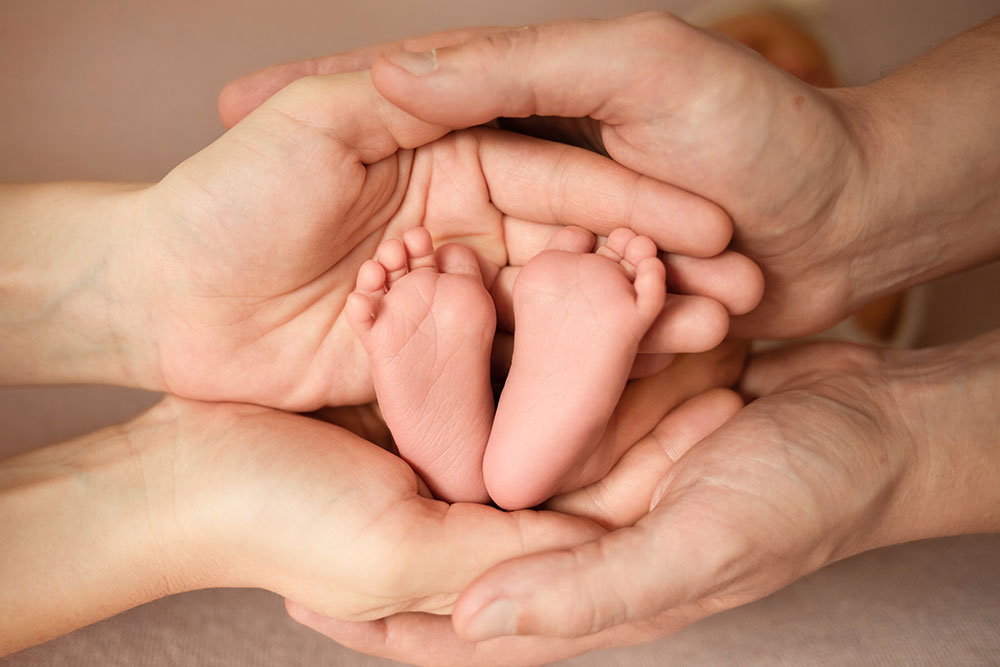
We offer Intralipids to help women who have had recurrent miscarriage, multiple failed IVF cycles or multiple failed IUI cycles.
To avail of this treatment, it is important that you are not allergic to soy or egg products and that you do not have a history of high cholesterol or liver disease. It is administered 4 – 7 days before embryo transfer or IUI and repeated approximately one week later. The method of administration is an IV infusion (a drip in your vein) of around one hour’s duration.
In women who become pregnant, Intralipids are re-administered following a positive pregnancy test to keep the NK cells deactivated until the pregnancy can override the signals being sent by the immune system.